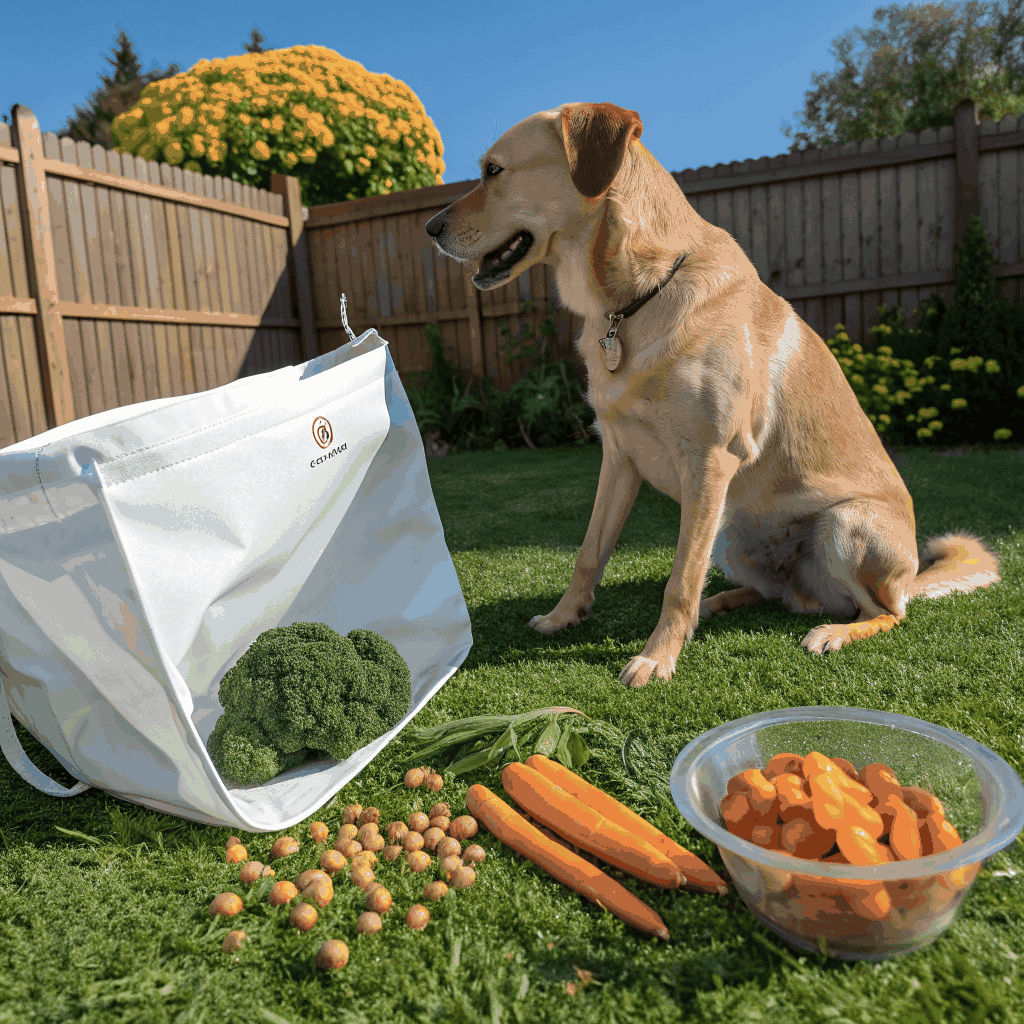
Decoding the Basics of Pet Food Labels
When you walk into PAWS, the shelves are filled with colorful bags and cans, each boasting claims like “human‑grade” or “premium protein.” Understanding what these terms actually mean helps you choose food that supports your pet’s health without falling for marketing hype.
What “Human‑Grade” Really Means
- Ingredient sourcing – The ingredients are produced in facilities that meet the same safety standards as those used for human food.
- Processing standards – The entire manufacturing process, from handling to packaging, follows regulations that prevent cross‑contamination with non‑human‑grade products.
- Label verification – The term must be verified by a third‑party auditor or the USDA, ensuring the claim isn’t just a marketing buzzword.
In practice, “human‑grade” does not guarantee that the food is nutritionally complete for pets. It simply indicates a higher level of cleanliness and traceability.
How to Read a Pet Food Label
- Ingredient list – Look for whole‑food sources (e.g., “chicken breast”) rather than vague terms like “meat meal.”
- Guaranteed analysis – This section shows the minimum percentages of protein and fat, and the maximum of fiber and moisture.
- AAFCO statement – A claim such as “complete and balanced” means the formula meets the Association of American Feed Control Officials’ nutrient profiles.
Choosing Quality Over Hype
- Prioritize protein quality: real animal protein should be the first ingredient.
- Check for added fillers: corn, wheat, and soy are often used to bulk up the product but add little nutritional value.
- Consider sustainability: PAWS partners with brands that source responsibly, reducing environmental impact while delivering fresh nutrition.
By focusing on these concrete details, you can separate genuine quality from clever packaging. Visit PAWS for personalized advice and discover a range of human‑grade options that truly meet your pet’s dietary needs.